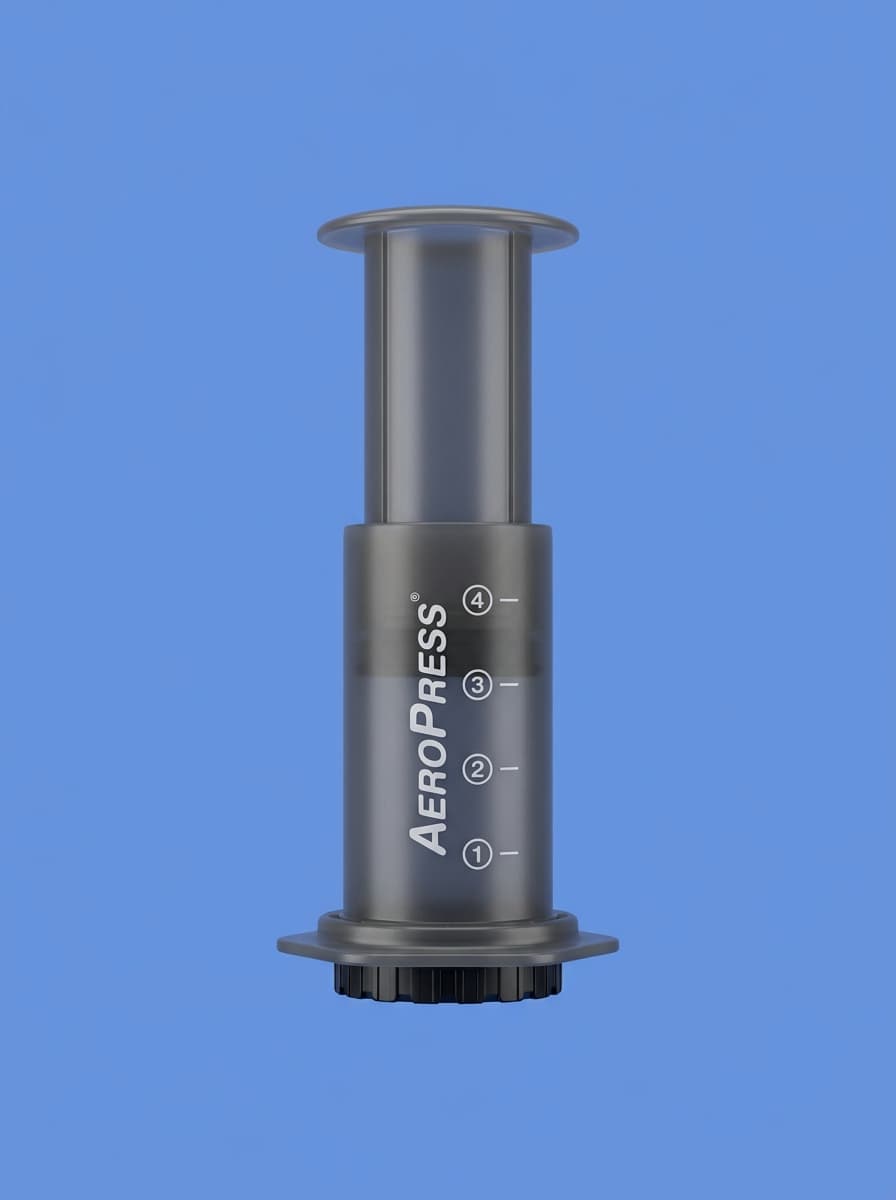
드립커피가 처음이라면 준비물과 추출 순서부터 익혀보세요. 드리퍼와 필터, 저울, 그라인더, 주전자를 고르는 기준부터 필터 헹구기, 원두 담기, 뜸 들이기, 물 나누어 붓기까지 한 잔을 내리는 과정을 차례로 안내합니다.
핸드드립을 시작할 때 필요한 준비물
처음부터 모든 장비를 갖출 필요는 없습니다. 아래 네 가지면 추출 조건을 측정하고 다시 재현할 수 있습니다.
- 드리퍼와 종이 필터: V60처럼 구하기 쉬운 드리퍼로 시작하면 됩니다.
- 디지털 저울: 원두와 물을 모두 그램 단위로 재고 추출 시간을 확인합니다.
- 버 그라인더: 원두를 비교적 고르게 갈아 분쇄도 변화를 확인하기 쉽습니다.
- 주전자: 구스넥 케틀은 물줄기 조절에 편리하지만 필수는 아닙니다. 일반 주전자도 천천히 일정하게 부을 수 있다면 사용할 수 있습니다.
한 잔을 위한 기본 핸드드립 레시피
원두 15g과 물 240~250g은 약 1:16 비율입니다. 실제 레시피의 한 예로 Barista Hustle의 V60 레시피는 원두 20g과 물 333g, 즉 1:16.5를 사용합니다.
- 원두
- 15g
- 물
- 240~250g
- 물 온도
- 90~96°C
- 추출 시간
- 약 3분
원두 양별 물 양이나 1:15·1:16·1:17의 차이가 궁금하다면 드립커피 비율 가이드에서 바로 확인할 수 있습니다.
분쇄도와 물부터 일정하게 맞추기
중간보다 약간 가는 분쇄도로 시작하기
분쇄도는 물이 커피층을 통과하는 속도와 추출에 영향을 줍니다. 처음에는 중간보다 약간 가는 정도로 맞추고, 맛과 추출 시간을 확인한 뒤 한 단계씩 조절하세요.
| 확인한 결과 | 먼저 시도할 조절 |
|---|---|
| 시고 묽으며 물이 너무 빨리 빠짐 | 분쇄도를 조금 더 가늘게 |
| 떫고 건조하며 물이 너무 늦게 빠짐 | 분쇄도를 조금 더 굵게 |
마셨을 때 맛있는 물 사용하기
커피의 대부분은 물이므로 먼저 마셨을 때 맛있는 물을 사용하세요. 수돗물 맛이 거슬리거나 물때가 많이 남는다면 정수한 물을 시도할 수 있습니다.
90~96°C를 출발 범위로 삼고 같은 온도를 유지하세요. 온도계가 없다면 물을 끓인 뒤 잠시 기다리는 방식을 매번 같게 유지하면 비교하기 쉽습니다. James Hoffmann의 V60 기법은 특히 라이트 로스트에 매우 뜨거운 물을 사용합니다.
핸드드립 추출 순서
필터 헹구기
드리퍼에 종이 필터를 끼우고 뜨거운 물로 헹굽니다. 종이 맛을 줄이고 드리퍼와 서버를 데우는 데 도움이 됩니다.
원두 담기
중간보다 약간 가늘게 간 원두 15g을 넣고 표면을 평평하게 정리합니다.
뜸 들이기
타이머를 시작하고 물 30g을 원두 전체에 적신 뒤 약 45초 기다립니다. Hoffmann의 V60 기법도 원두 무게의 약 2배 물과 최대 45초의 뜸 들이기를 사용합니다.
250g까지 나누어 붓기
가운데에서 바깥쪽으로 천천히 원을 그리며 물을 붓습니다. 두세 번에 나누어 총 240~250g까지 채우고, 물이 모두 빠지면 드리퍼를 내려놓습니다.
맛이 아쉬울 때 확인할 순서
한 번에 여러 변수를 바꾸면 무엇이 결과에 영향을 줬는지 알기 어렵습니다. 먼저 분쇄도 한 가지만 조절하고, 그래도 농도가 맞지 않을 때 물 양을 바꿔 보세요.
- 시고 묽으며 추출이 빠르다면: 다음에는 조금 더 가늘게 갑니다.
- 떫고 건조하며 추출이 느리다면: 다음에는 조금 더 굵게 갑니다.
- 맛의 균형은 괜찮지만 너무 진하다면: 물을 조금 늘립니다.
- 맛의 균형은 괜찮지만 너무 연하다면: 물을 조금 줄입니다.
다음에 읽기 좋은 글
- 원두 양과 물 비율을 바꿔 보고 싶다면 드립커피 비율 가이드를 읽어보세요.
- V60로 단계별 레시피를 따라 하려면 초보자를 위한 Hario V60 레시피를 참고하세요.